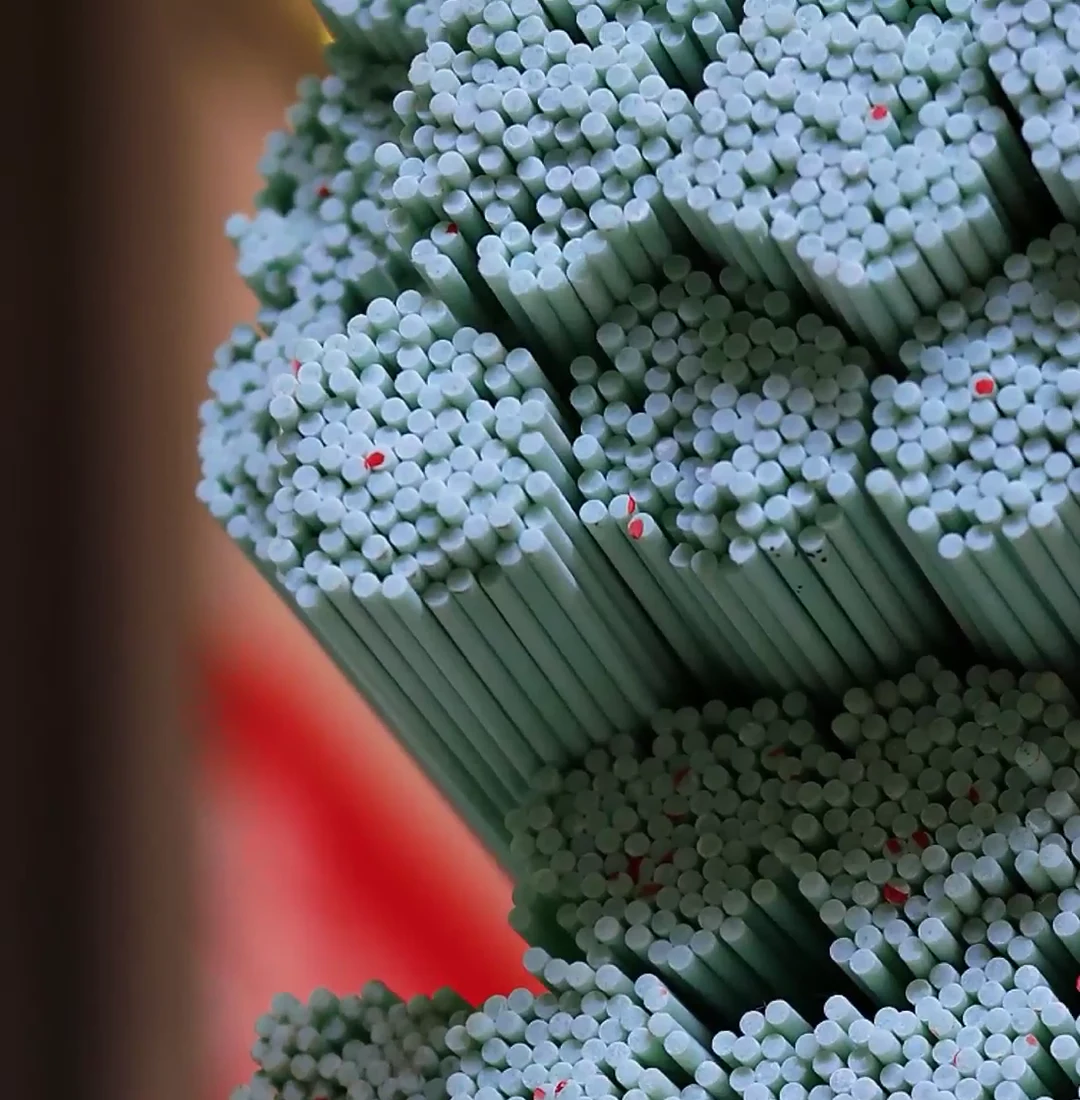
Low tunnels in Turkey use support rods for early vegetables, seedlings, berries, and seasonal crop protection. The correct fiberglass rod depends on tunnel width, cover weight, wind, soil insertion depth, crop height, spacing, and the number of installation cycles.
Match rod geometry to the Turkish tunnel
Mediterranean, inland, Black Sea, and highland production sites can differ in wind, rain, frost, soil hardness, and crop calendar. A rod selected for a short seasonal tunnel may not support a wider tunnel or a heavier film cover.
Provide tunnel width and height, row length, cover type, support spacing, soil condition, wind exposure, and whether the rods are removed after each crop.
Specify diameter, length and insertion depth
Diameter affects stiffness and handling, while length determines the finished arch and available insertion depth. The supplier should know the target span rather than selecting a rod only by nominal length.
Confirm rod diameter, length tolerance, straightness, surface finish, cut-end treatment, insertion depth, support spacing, and compatibility with clips or film fixation.
Choose for film, insect net or fleece covers
A light insect net or fleece creates a different wind and load profile from agricultural film. Cover tension, condensation, rain, and repeated contact can also affect rod movement and breakage.
Test the complete rod-and-cover system in a representative bed. Check arch recovery, end anchoring, cover clearance, wind movement, and safe removal before scaling to a full field.
Compare low-tunnel rod specifications
| Project input | Rod priority | What to verify |
|---|---|---|
| Narrow seasonal tunnel | Easy handling and fast installation | Diameter, length, insertion and spacing |
| Wide film-covered tunnel | Stiffness and arch recovery | Span, cover weight, wind, rod diameter |
| Hard or stony soil | Insertion strength and end finish | Tip, coating, breakage, installation tool |
| Repeated crop cycles | Fatigue and storage stability | Bend recovery, surface, UV and storage |
| Wind-exposed farm | Anchoring and support spacing | End fixing, clips, wires, overlap and trial |
Turkey low-tunnel RFQ checklist
- Province, crop, season, tunnel width, height and row length
- Film, insect net, fleece or mixed cover type
- Rod diameter, length, tolerance, finish and insertion depth
- Soil type, wind, rain, frost and support spacing
- Clips, anchors, end hoops, storage and reuse cycle
- Trial tunnel, arch recovery, cover clearance and packing
- Bundle quantity, labels, pallet plan and delivery destination
Frequently asked questions
What fiberglass rod size is suitable for low tunnels in Turkey?
Select diameter and length from tunnel span, cover weight, wind, soil, support spacing, and reuse cycle. Provide the finished tunnel dimensions for an accurate quotation.
Can fiberglass rods support greenhouse film?
They can support suitable low-tunnel film when the rod diameter, arch, spacing, anchoring, and cover tension are matched to local wind and rain conditions.
How should fiberglass rods be tested before bulk purchase?
Install a representative tunnel and check insertion, arch recovery, cover clearance, wind movement, end anchoring, handling, and removal over the intended crop cycle.
Send us your purchasing requirements.
Include the target specification and quantity for a more useful response.
Get a Quote